



Greater Deua
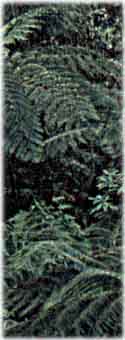
Greater Deua is a mountainous wilderness area, with vast stretches of old-growth forest and some of the most extensive rainforest areas in Southern NSW. Its steep, rugged country perhaps provides the reason why so much old-growth forest is left, as well as sweeping tree-fern forests, rainforests, and pristine rivers and creeks. Its steep and rugged nature also makes it susceptable to intensive logging operations, with severe erosion and siltation of previously pristine waterways inevitable.
Greater Deua covers much of Dampier State Forest and part of Mungerarie State Forest, south-west of Moruya.
Greater Deua covers 36,053 ha of State Forest.
Some of the conservation values of Greater Deua are listed below:
Greater Deua is mostly Wilderness. Greater Deua is almost completely covered by nominated wilderness, and is substantially covered by the NSW National Parks and Wildlife Service Identified Deua Wilderness, covering the catchments of the Upper Deua River, Georges Creek and Donalds Creek..
Greater Deua contains thousands of hectares of tall, wet, fertile old-growth forest. This type of ecosystem is of enormous value for conserving ecological processes and viable populations of many species, and acting as a refuge to flora and fauna in times of environmental fluctuation or catastrophe.
Greater Deua contains the most extensive areas of Pinkwood rainforest known. It also contains the second largest contiguous area of rainforest on the South Coast.
Greater Deua harbours nine threatened species, including the nationally threatened Australian Grayling. Other threatened species are the Stuttering Barred Frog, Glossy Black-Cockatoo, Powerful Owl, Masked Owl, Sooty Owl, Olive Whistler, Tiger Quoll, White-footed Dunnart and Yellow-bellied Glider.
Greater Deua has important JANIS scientific values for a CAR reserve system. It contributes the largest amount of any area for achieving targets for rainforest ecosystems 79 and 83, forest ecosystem 151, old-growth forest ecosystem 151, and is the only place to find forest ecosystem 7, which it fully meets. Greater Deua also makes a very significant contribution to the target for Tiger Quolls, achieving 44% of it.
Greater Deua is an area of enormous community concern. A large number of blockades have been held to stop logging in the area since 1992, and concern for wilderness areas such as Georges Creek and the upper Deua River is extremely high amongst bush walkers, botanists and nature lovers.